
I help teams turn AI anxiety into product clarity.
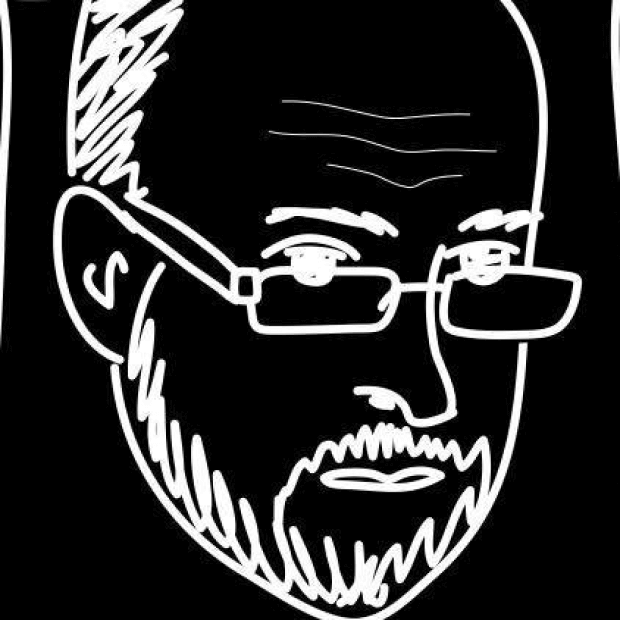
For more than two decades I've led product and UX teams — at big companies and small startups, in consumer and enterprise, and lately in civic tech and AI. Underneath, the work has always been the same: cut the optional complexity, and keep the people you're actually building for at the center. That's only gotten harder — and more important — now that every team is being told AI changes everything and nobody's quite sure what to do about it on Monday morning.
The long version. I came up through information architecture and UX in the early web, grew into product leadership, and spent recent years in civic tech — including a stretch as a Director of Product at 18F, building digital services in the public interest. Along the way I've helped teams ship everything from gesture-based mobile apps to compassionate social spaces designed to bring out the best in people — for PathCheck, CityInnovate, 7 Cups, NEST Health, DataCoral, CloudOn (acquired by Dropbox), AOL, Yahoo, Visa, even Grateful Dead Productions, and a long list of others. I wrote a book about growing product people. Its one rule: no optional complexity.
These days I work independently — short, high-impact engagements and fractional product leadership for teams navigating the current madness. Less empire-building, more clarity.
Where I land on AI. Simple, and a little contrarian: use it where it helps, keep humans where they count. I'm not an AI maximalist and I'm not an AI skeptic — I'm after the appropriate use, the one that actually makes your product better and your team saner. Most of the value was never in the model. It's in the judgment about where to point it.
I'm a builder, not just an advisor. I'm building Piper Morgan, a multi-agent product-management assistant; I work on Klatch, a local-first tool for wrangling AI conversations; and I've been helping a public-benefit company make legal and regulatory data affordable and usable with AI. This site — and the way it's run behind the scenes — is one of those experiments too. I bring back what I learn, and put it to work for the next team.
If your team is trying to figure out where AI fits — and where it doesn't — that's exactly the conversation I like to have.
Work with me →"No optional complexity."
Christian Crumlish, 'Growing Product People'